



A white elephant gift succeeds when the room fights over it. The steal count is the score, and the most-stolen gift is rarely the priciest object or the loudest gag at the table. It's the crowd-pleaser somebody pictures owning.
Most exchanges cap spending at $20 to $30. That cap limits the category, never the quality, and it happens to be the range where our gifts under $25 run deepest. Here's how to pick the white elephant gift idea everyone drags home.

What Makes a White Elephant Gift Work
A quick refresher for anyone new to the swap: in a white elephant gift exchange, everyone brings one wrapped gift, the group draws numbers for turn order, and each player either unwraps a new gift or steals an opened one. Yankee Swap and Dirty Santa are the same game under regional names.
The winning gift scores on two axes at once: humor and usefulness. A pure gag gets one laugh and dies, while a purely practical pick sits safe and unstolen. Miss both and you've brought the dud. The gifts people fight over land the joke and survive it.
Most shoppers optimize for the unwrapping moment. The steal happens later, when someone across the room pictures the gift on their own counter on Monday. Buy for that second moment.
The name traces back to the sacred white elephants of Siam, gifts so costly to keep that they burdened their owners. The modern game has drifted the other way. Bring something people want, and let the wrapping carry the mischief.
How the Game Shapes What You Should Bring
House rules change the math. When a gift freezes after three steals, a quiet winner opened early can lock up before half the room sees it. With unlimited steals, desirability compounds all night. Ask the host which rules apply before you shop.
Turn order matters too. A gift opened first needs visual impact to tempt early steals. A gift opened last only moves if it's already the one people wanted. In big groups, a gift has to read instantly across the room, while small groups reward one strong, considered pick.
One distinction saves a lot of wrong purchases: Secret Santa means buying for a person, and a white elephant exchange means buying for a room. "Would they like this" is the wrong question. "Would anyone here take this home" is the right one.
Reading the Room Before You Buy
An office holiday party, a friend group, extended family, and a mixed-age crowd each put a different ceiling on humor. The joke that lands with college roommates can stall a conference room.
Our favorite filter: would this be awkward if the recipient's boss or grandmother ended up holding it? If yes, save it for the group chat.
Office exchanges punish edgy gifts far more than they reward them. With coworkers, that buys a small laugh at best and a long memory at worst.
White Elephant Gift Ideas That Get Stolen the Most
The categories below are organized by why they get stolen, because the mechanism travels even when the specific product doesn't.
1) Funny on Arrival, Useful on Monday
This is the strongest quadrant. The joke lands at the table, and the object survives the car ride home. Absurdly named tools that work, novelty desk objects with a real job, and oddly specific kitchen gadgets all live here.

We make a few of these ourselves. The Seed Confetti Popper opens as a $6.99 party cannon and retires as a flower garden: pull back the band, launch the confetti, and every piece carries flower seeds ready to grow. It even reloads with refill packs.

Seed Bombs pull the same trick in a quieter register. Each one is a hand-rolled ball of clay packed with wildflower or herb seeds, a gag-shaped object that turns into real blooms. Curious how a ball of clay becomes a flower bed? We covered how seed balls work in an earlier post.
2) Consumables and Things That Get Used Up
Specialty hot sauce, good olive oil, local coffee, cocktail mixers, and a serious tea or spice set all steal well for one underrated reason: no storage guilt. Nobody wonders where to put a thing they plan to eat.
The honest counterpoint: consumables rarely get stolen twice, because a bottle in a box has little visual presence once opened. Pair the bottle with one small object that photographs well and you fix the weakness for a few dollars.
3) Live Plants and Grow Kits as the Third Option
Living gifts work mechanically in this game. They photograph well on the table, they carry obvious perceived value at a low price, and they read as thoughtful without being personal. That combination is the unisex, works-for-anyone standard a room full of near-strangers demands.
They also fail in specific hands: frequent travelers, offices without a decent window, and anyone who will read a plant as a chore. If your crowd skews that way, pick from the other categories.

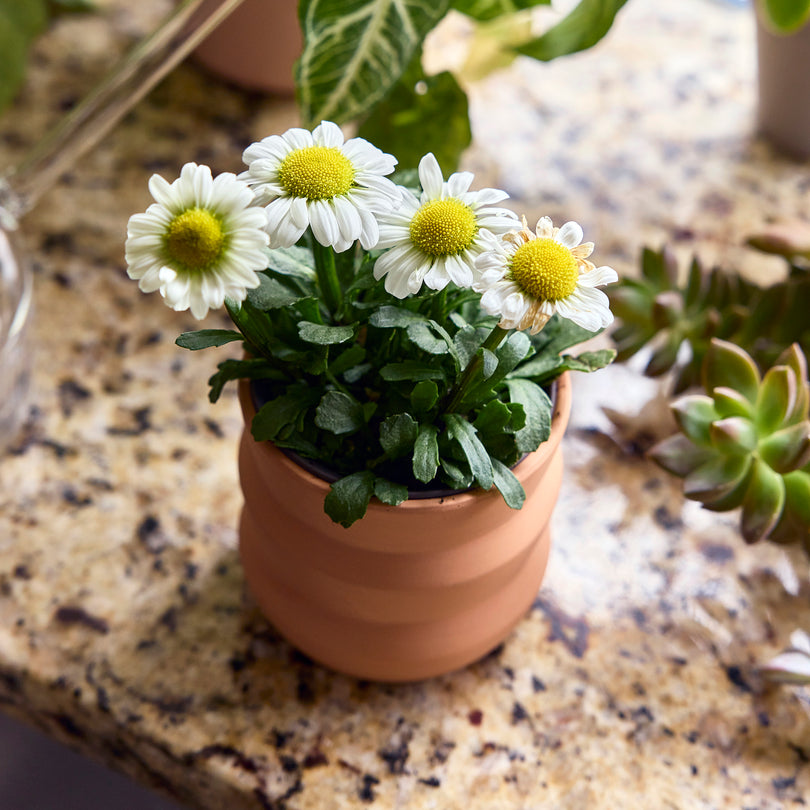
For the rooms where they land, the price-to-presence ratio is hard to beat. New Tiny Terracotta Grow Kits put a cherry tomato or baby watermelon start on the table for $12.99, in a terracotta planter with a nested coconut husk liner that lifts out to transplant into the garden later.

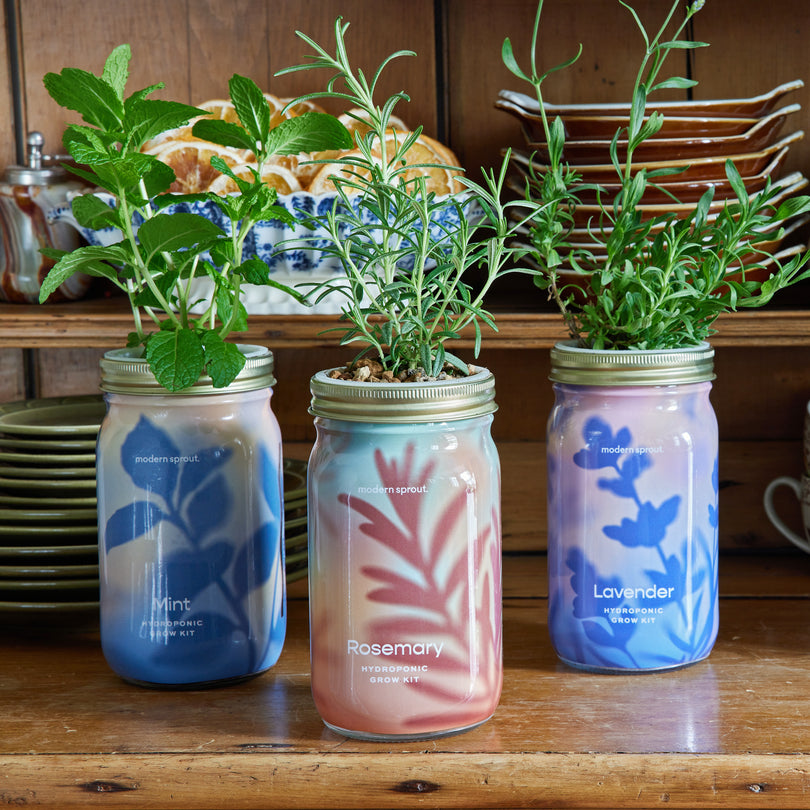
The Complimentary Colors Grow Kits come in a little under at $9.99, half-pint paint cans with cheeky labels that keep working as desk storage after the plant. And a $20 herb Garden Jar grows up to six months of fresh basil or mint hydroponically, no soil involved.
The trait that makes a grow kit steal-worthy is rare at this price: it keeps giving after the party. Most $20 gifts finish being gifts by January. A kit is still sprouting. If your exchange skews plant people, our gift guide for indoor plant parents goes deeper.
4) Desk and Office Objects
The office exchange has the tightest constraints and the clearest winners: objects with visible personality that survive a shared workspace. A mug with a real joke, a small desk toy, an organizer someone will use. What fails is anything that needs explaining and anything referencing internal politics.
Search white elephant gift ideas and the same three things surface every year: screaming goat toys, sarcastic mugs, novelty coasters. That saturation is a reason to choose differently. When three people bring the same viral gag, nobody remembers any of them.

5) Themed Bundles Built From Cheap Parts
At a fixed budget, three coordinated small items beat one mid-priced object. A bundle gives every person in the room more surface area to find the one thing they want, which is where steals come from.
Combinations that work:
-
Movie night: good popcorn, movie candy, and a pair of cozy socks
-
Breakfast kit: local coffee, a mug worth keeping, something sweet
-
Hot-drink set: loose-leaf teas, honey, one beautiful spoon
-
Desk-plant set: a small grow kit, Dissolving Plant Food Sheets, and a cheerful pot
Assemble around one anchor object with presence, two supporting items, and packaging that reads as intentional. The sub-$10 kits and seed novelties we shelve as stocking stuffers make ideal supporting parts. And if assembly time is the real constraint, our pre-built gift sets handle the coordination for you.
Matching the Gift to the Budget
Most invites set the spending cap first, so match the category to the cap.
White Elephant Gifts Under $25
The consumables tier and the bundle tier. A single grow kit, a seed-based novelty, one good desk object, or three cheap coordinated parts. The $20 herb Garden Jar sits at the top of this tier. Bundling matters most below it, because presence is hardest to buy at the bottom of the range.

$25 to $30
The default cap for most exchanges and the sweet spot of the whole game. One well-chosen object beats a bundle now. This is where the well-made mug lives, and where the most-stolen gifts cluster year after year.

$30 to $50
Rarer, and where perceived value jumps visibly. Tools, sets, and small appliances show up at this tier. Our Ember Earth Candle + Planter sits here at $48, a soy candle with a 50-plus hour burn that converts into a self-watering ceramic planter once the wax is gone.
The rest of our gifts $25 to $50 cover this tier if your group runs a higher cap.
Going meaningfully over the cap reads badly. The overspender warps the trading and leaves the person who stuck to $25 feeling shorted.
Gift cards deserve their own note. They carry a high steal rate, low memorability, and a ban in many groups. If the invite allows them, use one only as a pairing to top a gift up to the budget line.
Gifts That Reliably Fall Flat
A few categories fail no matter the room. Anything that requires a specific hobby, size, or body type gambles on a stranger. Jokes only the giver understands land as silence. Pure gag gifts with no second life stay funny for eight seconds and reach the landfill by January, which is the sustainability case against novelty plastic in miniature.
Logistics kill gifts too. Fragile things, anything requiring assembly, and anything that can't ride home in a carry-on all lose steals to sturdier company.
Strongly opinionated personal-care scents, the lotions and perfumes with a big personality, divide rooms in a way a neutral gift never has to.
And regifting: it's traditional in a white elephant exchange, and it's also obvious. A half-used lotion or a re-taped box tells the room what you think of the game. If you regift, regift something unopened that you'd steal yourself.
Picking a Theme for the Exchange
This one's for the host. A theme raises the average gift quality because it removes the blank page that produces duds.
Workable themes for a white elephant party: under $20 only, everything edible, something you already own, plants and green things, locally made, or the most useless object anyone can find.
A theme changes the steal dynamic too. Narrower categories invite closer comparisons among friends, family, and coworkers alike, and closer comparisons produce more steals. Set the theme, the cap, and the steal rules in the invite, and the gifts take a big step up on their own.
Building Your Own White Elephant Gift
Build the gift yourself when you want it to stand out. The assembly principle covers three roles: one object with presence, one object with utility, one object that makes the joke.
A plant-based build covers all three for about $25. A Tiny Terracotta kit brings the presence, a $5 sample pack of our new Dissolving Plant Food Sheets brings the utility, and a Seed Confetti Popper brings the joke. Wrapped together, the box reads as intentional.
Presentation is part of the gift in this game. Opaque, oversized, or deliberately misleading packaging gets a gift chosen early, and early opens mean more chances to be stolen.
A bundle that looks expensive changes how the room treats the cap. Keep the build visibly within budget so the trading stays fair.
Pass the Two-Sentence Test
Every strategy above compresses to one check before you buy: can you describe the gift in one funny sentence and one practical sentence, inside the cap, for this specific room?
A confetti popper that grows flowers, a $13 tomato kit, a bottle of good hot sauce taped to a small pot, a $20 herb jar: each one gets the laugh at the table and keeps a spot on someone's counter afterward.
Draw your number, watch your gift change hands twice, and collect the best compliment the game gives: somebody fought for the thing you brought.

