

Every fall, the same question comes up: how much should you clean up before winter? For decades the standard answer was all of it. Cut everything down, rake every leaf, and leave the beds bare and mulched until spring.
Here's the catch: that spotless version of fall garden cleanup removes the exact habitat your pollinators need to survive winter. Putting your garden to bed the pollinator-friendly way keeps the tidying that protects plant health and skips the tidying that destroys shelter. It takes less work, and your beds wake up livelier for it.
Fall Garden Cleanup, Two Ways
Traditional cleanup treats the garden like a room to empty. Everything gets cut, raked, bagged, and hauled to the curb, and the beds sit bare until spring.
A pollinator-friendly cleanup is selective instead. You still remove what threatens plant health, but you leave the standing stems, seed heads, and leaf litter that shelter overwintering insects. Most of the bees and butterflies that will pollinate next year's garden spend winter right there in your beds, and a pollinator garden only works if they make it to spring.
One test runs through every decision below: is this material harboring disease or pests, or is it providing shelter and structure? Remove the first kind. Keep the second.
When to Start Putting the Garden to Bed
Skip the calendar and watch for cues. The garden tells you when it's ready: perennials go dormant, foliage browns and collapses, and the first hard frost arrives. Frost dates vary widely by region, so look up the average first-frost date for your zip code or USDA hardiness zone and plan around it.
The most common mistake is starting too early. In September, pollinators are still active, seed heads are still feeding birds, and warm soil is still working. Cutting back then removes food and shelter that's still in use.
Some tasks are time-sensitive. Plant spring bulbs like tulips and daffodils before the ground freezes, sow cover crops while the soil holds warmth, and divide crowded perennials about a month before frost. Cutting back stems can wait until late winter, and your outdoor garden will be better for the delay.
What to Leave Standing Through Winter
This is the heart of a pollinator-friendly cleanup. Pollinators are biodiversity heroes, and the ones in your yard need winter shelter more than they need a tidy bed. Three kinds of “mess” do the most good.
Hollow and Pithy Stems
About 30% of native bees are cavity nesters, including mason bees and leafcutter bees. These solitary bees (species that nest alone rather than in hives) overwinter inside hollow or soft-centered stems, and next year's generation emerges from them in spring.
When you do trim, leave 8 to 24 inches of stem standing. Coneflower, bee balm, joe-pye weed, and raspberry canes all offer the hollow or pithy stems these bees use. If a stubble of stems looks odd now, it won't by February, when it's catching frost above the snow.
Seed Heads and Spent Flowers
Standing seed heads pull double duty. Goldfinches and chickadees feed on them all winter, and their dark, sculptural shapes give the garden winter interest, especially under a dusting of snow.
Leave black-eyed Susans, sunflowers, sedum, asters, and ornamental grasses standing. The same thinking applies to native wildflower patches, and we go deeper on that seasonal handoff in prepping your wildflower garden for fall.
Leaf Litter
Fallen leaves are winter housing. Butterfly and moth pupae (the cocoon and chrysalis stage) ride out the cold in leaf litter, mated bumble bee queens hibernate an inch or two down in soil and litter, and beneficial beetles shelter in the layer too. This is the idea behind “leave the leaves,” the movement the Xerces Society popularized.
Leaving the leaves works best in beds and borders, where a few inches of whole leaves insulate roots and shelter insects. A thick mat on the lawn is a different story, and we'll handle that below.

What to Cut Back and Remove
Some material needs to go, and removing it is what keeps a pollinator-friendly garden healthy instead of neglected. Work through this list before winter sets in.
1) Diseased or pest-infested foliage
Cut back anything showing powdery mildew (that white film on bee balm and phlox), tomato blight, or black spot on roses. Infected material left standing reinfects the bed in spring.
2) Collapsed annuals
Spent annuals won't return, and their soft, decaying foliage offers rot more than shelter. Pull them roots and all.
3) Invasive self-seeders and seeding weeds
Dig out aggressive spreaders and get weeds gone before they drop seed. Every seed head you miss now is a weeding session next June.
4) The entire vegetable garden
Veggie beds are the exception to the leave-it philosophy. Squash bugs, blight spores, and other pests overwinter in spent plant debris, so clear your veggie beds and raised beds completely. Ornamental beds get the selective approach; vegetable beds get the clean sweep.
5) Major pruning? Not yet.
Hold big cuts on trees and shrubs until late winter, when they're fully dormant and wounds heal cleanly. Light shaping is fine now.
Disposal matters as much as removal. Healthy material goes on the compost pile, where it breaks down into free organic matter. Diseased material gets bagged and trashed, or burned where that's allowed, because home compost rarely runs hot enough to kill pathogens.
Handling Leaves Without Harming Pollinators
There's a workable middle ground between raking every leaf and doing nothing. Whole leaves can stay in beds and borders as free mulch, roughly 3 to 5 inches deep. Rake the surplus off paths and lawn into those beds rather than to the curb.
Resist the urge to shred everything first. Shredding destroys the eggs, pupae, and adult insects already sheltering in the leaves, so keep them whole wherever they're serving as habitat. Lightly shredded leaves are fine for paths or the compost pile, where they break down faster.
Extra leaves make leaf mold, which is leaves piled up and left to break down for a year or two into a crumbly, moisture-holding soil amendment. A wire ring in a back corner is all it takes.
On the lawn, a thick unshredded mat can smother turf over winter, so move that surplus into beds or the leaf-mold pile. Bagging leaves for the curb sends their nutrients to the landfill, where they generate methane instead of soil.
Preparing Soil and Beds for Spring
Fall is when next year's soil health gets set. A few unhurried tasks now pay off the moment the ground thaws.
1) Top-dress with compost
Spread an inch or two over your beds and let winter work it in. No digging required; freeze-thaw cycles and soil life do the mixing for you.
2) Skip the tilling
Turning soil breaks up its structure and destroys the tunnels of ground-nesting bees along with it. No-dig beds hold moisture and nutrients better anyway.
3) Mulch, but with a light hand
Two to three inches insulates roots and crowns against freeze-thaw cycles, the repeated freezing and thawing that heaves plants out of the ground. Keep it pulled back from stems and crowns so they don't rot.
4) Sow a cover crop in empty veggie beds
A quick-growing planting like winter rye, oats, or crimson clover protects bare soil and feeds it when turned under in spring. Sow while the soil is still warm, usually four to six weeks before your first frost.
5) Hold the fertilizer
Heavy synthetic feeding going into dormancy pushes tender growth right when plants should be shutting down, and most of it washes away anyway.
6) Winterize the hardware
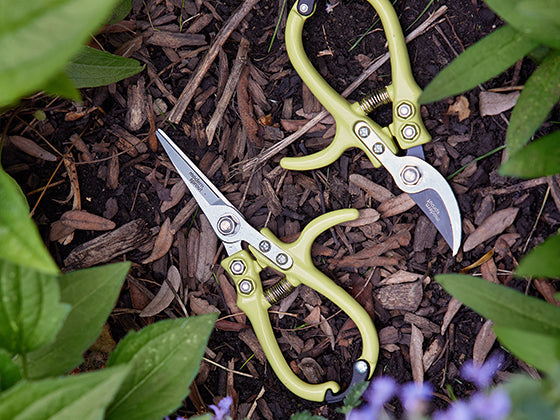
Drain your hoses, shut off spigots, and clean and sharpen your tools before storing them. Future you will notice in March.
Creating Overwintering Habitat for Pollinators
Leaving things in place is half of it. These small moves add habitat on purpose.
1) Build a brush pile
Stack pruned branches and cut stems loosely in a quiet corner. It shelters overwintering insects, and birds will work it all winter.
2) Keep some soil bare
Roughly 70% of native bee species nest in the ground and need open soil to reach their nests, so skip the wall-to-wall mulch and leave a few sunny patches uncovered.
3) Be honest about bee hotels
They help cavity-nesting bees when they're maintained, which means replacing or sanitizing the nesting tubes every year. Neglected, they concentrate parasites and disease. If annual upkeep isn't realistic, standing stems do the same job for free.
4) Put spring cleanup on the calendar, late
Hold it until temperatures stay reliably warm, around 50°F for a stretch of days. Clear the litter before then and you're discarding the very insects you spent all winter sheltering.
Keep Growing While the Garden Rests
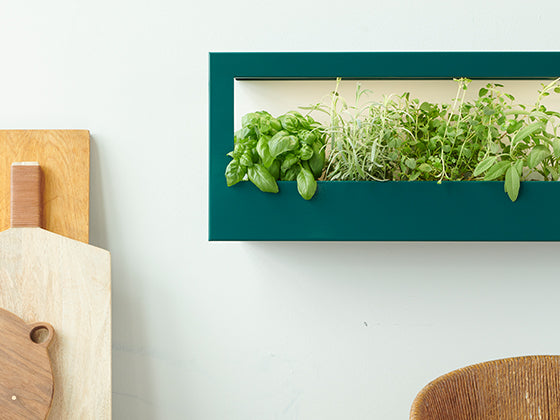
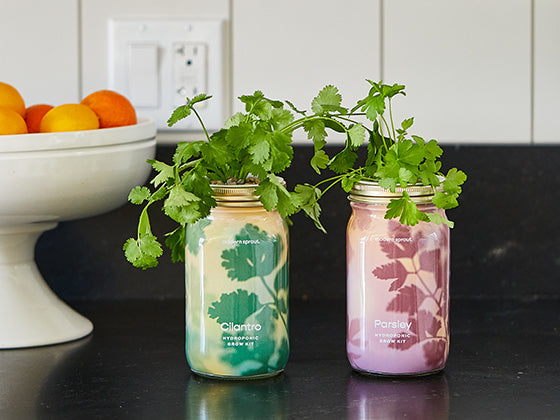
Once the beds go dormant, you can keep growing indoors all winter. Fresh herbs, salad greens, and microgreens all handle indoor life happily under the right light.
A full-spectrum grow light turns any shelf or counter into a growing spot. Our Smart Growbar is one example of how it's done: it mounts flush under a cabinet and runs on an app-set schedule while the garden outside sleeps.
Seed saving belongs to fall too. Collect seed from this year's healthiest plants, sketch next year's beds while the lessons are fresh, and keep a few seed pops on hand for the spring handoff.
The Pollinator Seed Pops fit this piece especially well: their blends include black-eyed Susan, purple coneflower, wild bergamot, and butterfly milkweed, and they can start indoors or go in the ground after the last frost.
The Pollinator-Friendly Fall Cleanup Checklist
Everything above condenses to one principle: tidy for plant health, leave for habitat. Here's the whole season at a glance.
Leave
-
Standing stems cut to 8 to 24 inches (coneflower, bee balm, joe-pye weed)
-
Seed heads on black-eyed Susans, sunflowers, sedum, and ornamental grasses
-
Whole leaves in beds and borders, a few inches deep
-
Sunny patches of bare, unmulched soil for ground-nesting bees
-
A brush pile in a quiet corner
Remove
-
Diseased or pest-infested foliage, bagged rather than composted
-
Spent annuals, plus a full clear-out of the vegetable beds
-
Invasive self-seeders and any weeds about to drop seed
Do now
-
Look up your first-frost date and work backward
-
Plant spring bulbs and sow cover crops while soil is warm
-
Top-dress with compost and mulch lightly, keeping it off crowns
-
Drain hoses, clean and sharpen tools, save seed
-
Set a spring reminder: no cleanup until it's reliably warm
That's the whole trade. You haul a little less this fall, and next summer's garden opens with its pollinators already home.

