

The summer garden gets all the attention, but some of the best eating comes after Labor Day. Spinach holds without bolting, carrots sweeten in the cold, and the pests that plagued July have mostly packed up.
The catch is timing. Fall crops go into the ground in late summer, while the heat is still on, and the planting math runs backward from your first frost. Here's what to plant, when to sow it, and how to keep harvesting past the first freeze.
What to Plant in a Fall Garden
Cool-season crops are the whole roster. That means leafy greens (spinach, lettuce, kale, arugula, Swiss chard), brassicas (broccoli, cabbage, cauliflower, kohlrabi), and root crops (beets, carrots, radishes, turnips). Add garlic if you want an overwintered harvest next summer. Most of these grow readily from a packet, and our fruits and vegetables collection stocks the fall staples.
The right list for your garden depends on the “when.” Two numbers decide it: your average first frost date and each crop's days to maturity, the seed-to-harvest time printed on every seed packet. If a crop can mature before frost, or shrug frost off entirely, it makes the cut.
One thing to know up front: fall crops get planted in late summer. Most sowing happens in August and early September, while temperatures still feel like peak summer. Wait for cool weather to plant and the season ends before your garden gets going.
Why Fall Is an Underrated Growing Season
Fall solves problems summer creates. Insect pressure drops as pest life cycles wind down, fungal diseases spread more slowly in cooler air, and bolting (the premature flowering that turns June lettuce bitter) mostly stops once days shorten. Many greens are wired to bolt when heat follows a cold spell; sown in fall, that trigger never fires.
Then there's flavor. Light frost prompts cold-hardy crops like carrots, beets, kale, and Brussels sprouts to convert stored starches into sugars, a natural antifreeze that makes them noticeably sweeter. Plenty of gardeners refuse to pick kale until it's been kissed by frost.
The honest caveat is light. Days shorten fast through September and October, and plant growth slows with them, so every fall timeline needs a buffer. If your beds are still full of tired summer crops, our guide to preparing your garden for fall covers the handoff.
How to Time Your Fall Planting
Timing is the section most fall-planting lists skip, and it decides whether you harvest broccoli or compost it. Spring planting counts forward from the last frost; fall planting counts backward from the first.
1) Find Your First Frost Date and Count Backward
Every fall planting date comes from the same formula: first frost date minus days to maturity minus a fall buffer of one to two weeks. The buffer covers slower growth as daylight wanes. Count backward from frost and you have your last safe sowing date for each crop.
Here's the math in action. Say your average first frost lands October 10 and you're sowing a 45-day crop like baby kale. October 10 minus 45 days puts you at late August. Subtract the buffer and your real deadline is mid-August.
Days to maturity is listed on the seed packet or catalog page. For your frost date, your local Cooperative Extension office publishes regional averages, and our guide to gardening by the zones explains how to read your area's timing.
2) Cool-Season vs. Warm-Season Picks
Cool-season vegetables prefer cooler temperatures and handle frost to varying degrees. Hardy types like kale, spinach, and collards shrug off a light frost, roughly 29 to 32 degrees. Semi-hardy crops like lettuce, chard, and beets take a touch of frost but quit at a hard freeze, around 28 degrees and below.
Warm-season crops flip the logic. A fast bush cucumber or summer squash can squeeze in a fall round, but it has to finish completely before frost. Don't plant frost-sensitive crops late unless the math clearly works and you have protection standing by.
3) Direct-Sow or Transplant
Direct-sowing means planting seeds straight in the bed. It's the right call for root crops, radishes, and spinach, which resent having their roots disturbed. Slower crops flip the equation: setting out brassica transplants instead of seed buys you two to three weeks when the window is tight.
Late-summer heat complicates outdoor sowing, which is where an indoor start helps. Starting seeds indoors under a grow light sidesteps hot-soil germination failure entirely. It's one method among several, most useful when your window is closing fast.
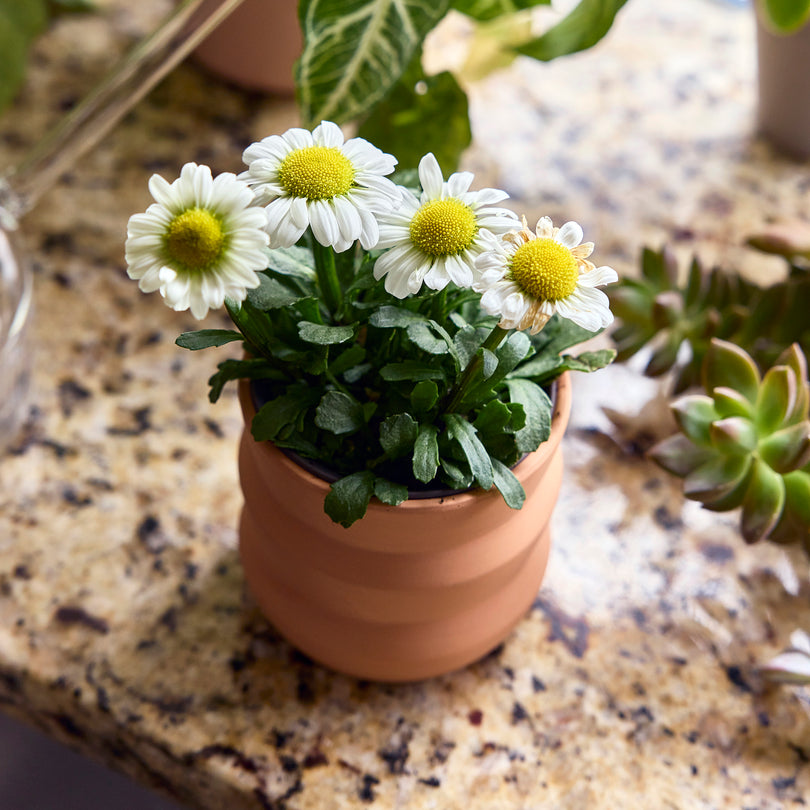
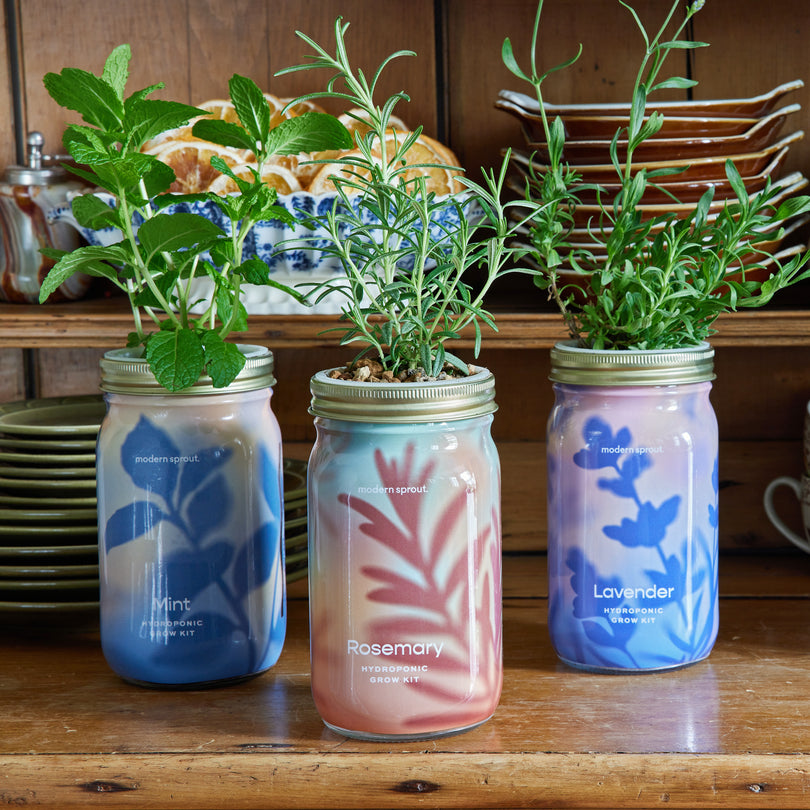
Our grow kits run on the same start-small-indoors principle. The Tiny Terracotta Kits are built for exactly this. Start seeds in a terracotta planter on a sunny windowsill, and the nested coconut husk liner lifts straight out to transplant into a larger pot or out into the garden as the plant matures. A clean way to get a jump on fall crops before the beds are ready.
Best Vegetables for a Fall Harvest
1) Leafy Greens
Spinach, lettuce, arugula, kale, Swiss chard, mustard greens, and collards all hit their stride as the weather cools. Asian greens like bok choy, tatsoi, and mizuna belong on the list too; most mature quickly and handle light frost without complaint.
Spinach and lettuce are the fussy germinators. Both stall in warm soil, so shade the bed during hot spells or start them indoors. Varieties matter here, and 'Bloomsdale Long Standing' spinach has a long track record for fall sowing.
Greens reward succession planting, which means sowing a short row every two weeks instead of everything at once, for a steady supply of baby leaves. Staggered plantings blur together fast, so label each sowing. A set of copper plant markers wipes clean with rubbing alcohol and gets reused row after row.
Most greens are cut-and-come-again. Harvest the outer leaves and the plant keeps producing until a hard freeze, and kale keeps going well past it.

2) Brassicas
Brassicas, the cabbage family, include broccoli, cabbage, cauliflower, Brussels sprouts, and kohlrabi. They make the strongest case for transplants; setting out six-week-old seedlings in August beats coaxing seed through hot soil.
Broccoli offers a fall bonus. After you cut the main head, side shoots keep forming in cool weather, stretching one plant across weeks of harvest. The whole family also tastes better after a light frost, cabbage and Brussels sprouts especially.
3) Root Crops
Beets, carrots, radishes, and turnips are built for fall. Radishes and turnips turn around fastest; a quick variety like 'French Breakfast' radish goes seed to table in 25 to 30 days, making radishes the last thing you can sow before frost.
Carrots and beets sweeten dramatically after frost, and both store right in the ground. Tuck a thick layer of mulch over the row and you can pull fresh carrots into early winter.
4) Plant Now for Next Year
Garlic runs on a different clock. Plant cloves in mid-fall, a few weeks before the ground freezes, and harvest full heads next summer. Overwintering onions work the same way. Neither feeds you this season, but miss the fall window and you wait a whole year.
Setting Up Fall Crops for Success
Beat the Heat at Planting Time
The biggest obstacle to a fall garden is August soil. Cool-season seeds like lettuce and spinach go dormant when soil temperatures pass about 80 degrees and simply wait for cooler conditions to germinate.
Work around it with shade cloth or a floating row cover to cool the bed, or start seeds indoors and transplant. A probe-style soil tester that reads soil temperature takes the guesswork out of when it's safe to sow. Keep the soil consistently moist until seedlings establish.

Prep the Bed
Clear out spent summer crops, top-dress with an inch of compost, and practice light crop rotation, meaning you avoid planting a family where it just grew. Fall brassicas shouldn't follow spring broccoli in the same spot.
Water and Light Realities
Early fall is often the driest stretch of the year, and cooler air hides how thirsty the bed is. Aim for about an inch of water per week, watering deeply rather than often, and mulch to hold moisture.
Shorter days are another variable. Growth that took a week in June takes two in October, which is exactly why the timing formula includes a buffer.
Extending the Harvest Past First Frost
A first frost ends the summer garden, but a well-planned fall garden barely notices. Floating row covers add a few degrees of protection for a few dollars. Cold frames and mini hoop tunnels take more effort to set up but can carry greens deep into winter.
Match the protection to the crop. Kale, spinach, collards, and mulched carrots handle light frost with no cover at all. Lettuce, chard, and bok choy want a row cover once nights dip below freezing. Frost-sensitive stragglers like cucumbers are done regardless, so harvest them beforehand.
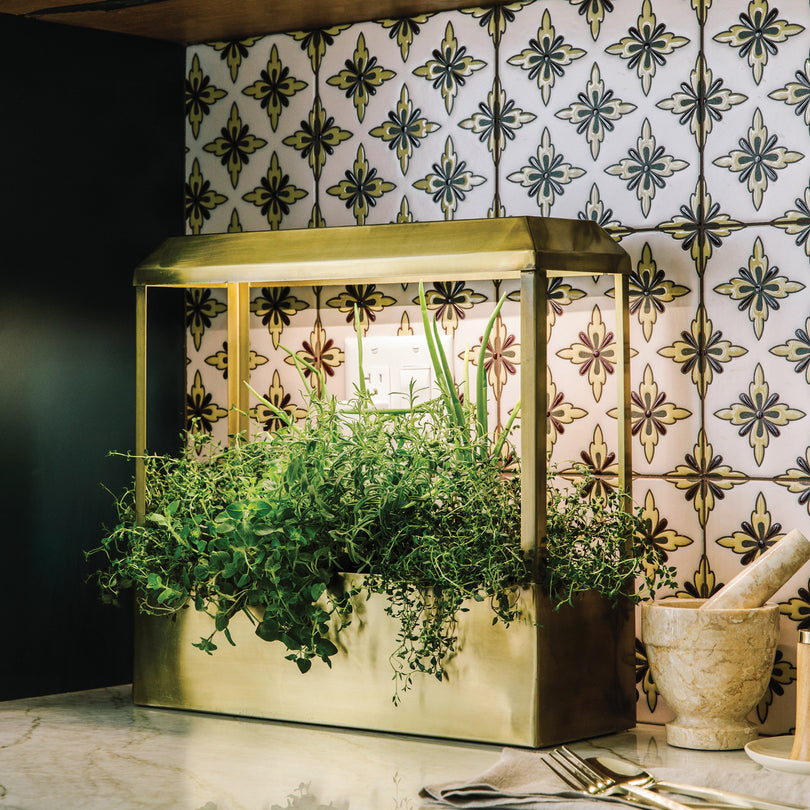
Containers give you one more escape hatch. Pots of greens and herbs can migrate indoors to a sunny window or grow light once beds freeze, and a countertop kitchen garden keeps fresh harvests going all winter.
Count Back, Then Plant
A fall vegetable garden runs on one calculation: first frost date minus days to maturity minus a couple of buffer weeks. Get that right and the rest is ordinary gardening in better weather, with sweeter results.
The next step is quick. Look up your average first frost date, pull the seed packets you already have, and run the math for each crop. Then order anything you're missing early, because fall seed varieties routinely sell out by August, right when you need them in the ground.

