

There’s something uplifting about walking into your kitchen, pinching off a few leaves of fresh basil, and instantly brightening a dish. Learning how to grow basil indoors puts lush greenery, bold flavor, and year-round harvests just inches from your stovetop.
Basil is one of the easiest and most rewarding herbs to grow indoors. It fits beautifully in small spaces, grows well on sunny windowsills, and gives you fresh leaves for pesto, pasta, salads, drinks, and everyday meals.
The secret to thriving basil is not complicated. With enough light, well-drained soil, steady moisture, and regular pruning, you can grow a healthy basil plant indoors even without a backyard or garden bed.

Why Basil Is One of the Best Herbs to Grow Indoors
Basil works well indoors because it is compact, fast growing, fragrant, and genuinely useful in the kitchen. It does not need a large outdoor garden to thrive. A bright windowsill, countertop growing setup, or small indoor herb garden can be enough when the conditions are right.
Growing basil indoors gives you:
-
Fresh basil leaves within easy reach.
-
Year-round greenery in your kitchen or apartment.
-
A practical herb for everyday cooking.
-
A plant that responds well to regular harvesting.
-
A beginner-friendly way to build confidence with indoor gardening.
Choose the Right Basil Variety
All basil varieties share a fresh, herbal flavor, but some work better indoors depending on your cooking style and available space.
Popular indoor basil varieties include:
-
Sweet basil: The classic choice for pesto, pasta, salads, and Italian-inspired dishes. It has soft green leaves and a familiar sweet flavor.
-
Thai basil: A more aromatic variety with a slightly spicy, anise-like flavor that works well in noodles, curries, soups, and broths.
-
Lemon basil: A bright, citrusy basil that adds freshness to salads, drinks, fish, and light sauces.
-
Purple basil: A compact and visually striking option with deep purple leaves, ideal for garnish and decorative indoor growing.
Sweet basil is the best place to start. It's the variety in pesto, the variety on top of a margherita, the variety you'll actually use. Once you've got one thriving, branch out.

Start With a Kit, Seeds, Starter Plants, or Cuttings
You can grow basil indoors from seeds, starter plants, or cuttings. Each method works, but the best choice depends on how quickly you want to harvest.
Start With a Hydroponic Grow Kit
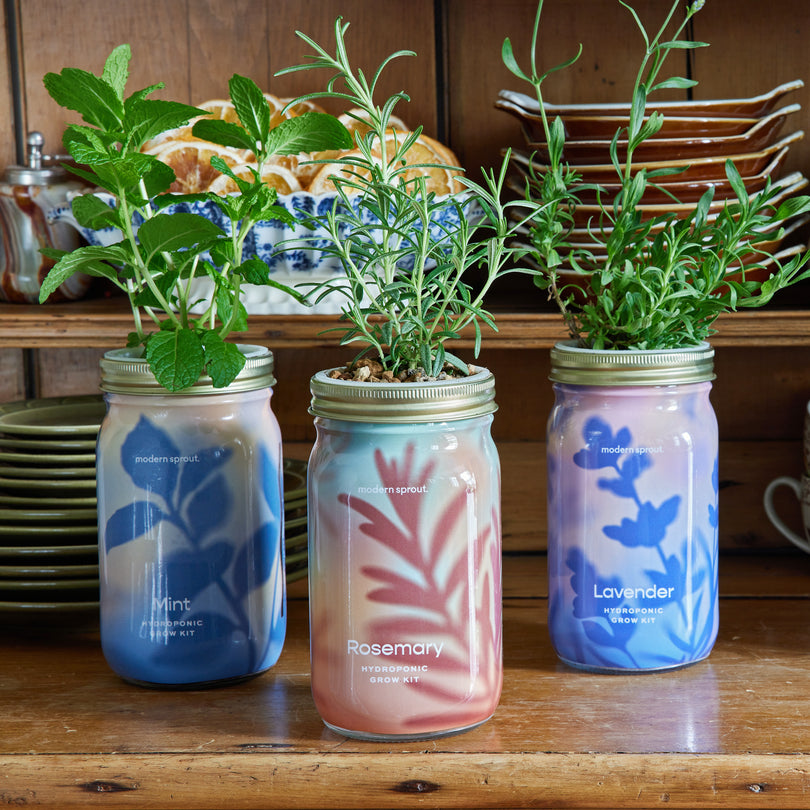
The easiest way to grow basil indoors is also the cleanest. Our Garden Jar Grow Kits skip traditional soil entirely. Seeds start in a compressed coco disc (a soil-less growing medium made from natural coconut husks) inside a clear glass jar, and an immersion hydroponic setup delivers water and nutrients directly to the roots from there.
That means no dirt on your counter, no repotting, no fungus gnats, and no guessing about whether you're over- or under-watering. The jar handles the consistency for you. We designed the kits to be guaranteed to grow, which makes them a good starting point for anyone who keeps killing grocery store basil or who hasn't grown anything before.
The kits also work for parsley, mint, cilantro, rosemary, and lavender if you want to expand beyond basil. The care principles below (light, pruning, harvesting) still apply once your kit is established.
Growing Basil From Seed
Starting from seed is the most hands-on option, and the most rewarding if you enjoy the full process. If you'd rather skip the tray, soil, and seedling-thinning steps, the hydroponic kit covered above handles germination for you.
If you’d still rather go the soil route, here are the basic steps to follow.
To start basil from seed:
-
Fill a tray, starter cell, or small pot with moist potting soil.
-
Sow basil seeds about 1/4 inch deep.
-
Keep the soil warm and lightly moist.
-
Place the container in bright light once seedlings appear.
-
Thin the seedlings once they have a few sets of leaves.
Avoid overcrowding. Basil seedlings need airflow and space to grow strong stems. Once they develop several sets of leaves, move the healthiest plants into medium-sized pots.
Growing Basil From Starter Plants
Starter plants are the easiest option for beginners because they give you a head start. You can usually begin light harvesting much sooner than you would with seeds.
Choose a basil starter plant that has:
-
Bright green leaves.
-
Firm stems.
-
No yellowing or wilting.
-
No signs of pests.
-
A compact, bushy shape.
If the plant is still in a small nursery pot, transfer it into a roomier container with drainage holes and fresh potting soil. This gives the roots space to grow and helps the plant stay productive longer.
Growing Basil From Cuttings
Basil cuttings are an easy way to grow new plants from an existing one.
To propagate basil:
-
Snip a healthy 4-inch stem just below a leaf node.
-
Remove the lower leaves.
-
Place the stem in a jar of clean water.
-
Change the water every few days.
-
Move the cutting into moist soil once roots are about 1 to 2 inches long.
Cuttings are also the easiest way to keep basil going indefinitely. One healthy plant becomes three, three become a windowsill full. For more on the technique, our propagating FAQ covers cuttings, common questions, and troubleshooting in one place.
Set Up the Right Light, Pot, and Soil
Your indoor setup has the biggest impact on basil’s growth. Basil is forgiving, but it still needs the right balance of light, drainage, and soil moisture to stay healthy.
Give Basil Enough Indoor Light
Basil needs plenty of light to grow full, leafy, and flavorful. Without enough light, the plant may become pale, stretched, and weak.
Aim for:
-
At least six hours of bright light each day.
-
A sunny windowsill, ideally south-facing.
-
Strong light from an east-or west-facing window if full sun is not available.
-
Supplemental lighting in darker homes or during winter.
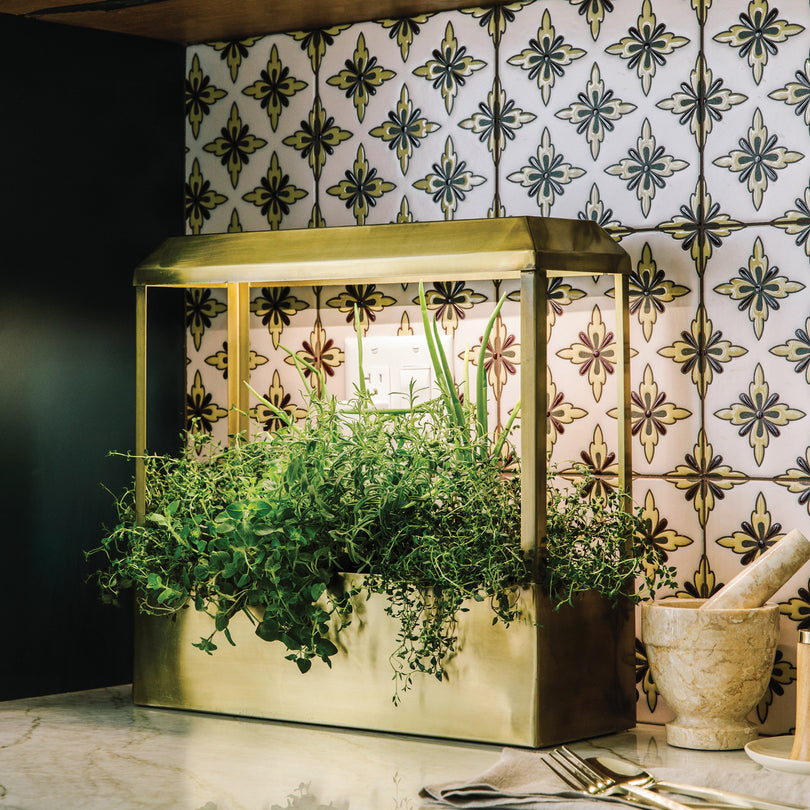
If your kitchen doesn't get enough natural light (or any light, in the case of plenty of apartment kitchens), we designed our grow lights to handle exactly that. They're sized for indoor herbs and small plants, which means basil gets what it needs without you having to clear a window for it.
Signs your basil needs more light include:
-
Long, thin stems.
-
Pale or yellowing leaves.
-
Slow growth.
-
Sparse leaves.
-
Stems leaning toward the window.
If you notice these signs, move your basil closer to a light source or add a grow light.
Choose a Pot With Good Drainage
Basil hates sitting in wet soil. Drainage holes aren't optional. They let excess water escape before the roots start rotting.
Choose a pot that is:
-
Around 6 to 8 inches wide for one basil plant.
-
Deep enough for healthy root growth.
-
Designed with drainage holes.
-
Easy to move if the plant needs better light.
-
Large enough to avoid crowding.
If you are growing multiple basil plants in one container, leave around 6 to 8 inches between each plant. Good spacing improves airflow and helps prevent fungal leaf issues.
Use Well-Drained Potting Soil
Basil wants soil that holds light moisture without going heavy or soggy. A standard potting mix for herbs or houseplants works fine. Skip dense garden soil, which compacts indoors and traps too much water around the roots.
The test is simple: stick a finger in. Damp and crumbly is right. Heavy and sticky is too wet.
Water and Feed Basil the Right Way
Watering is one of the most important parts of growing basil indoors. The plant likes consistent moisture, but too much water can quickly lead to problems.
How Often to Water Basil
There is no perfect watering schedule because indoor conditions change from home to home. Basil may dry out faster in warm rooms, sunny windows, small pots, or homes with heating and air conditioning.
A simple rule is to check the soil first.
Water basil when the top inch of soil feels dry. Water deeply enough that moisture reaches the roots, then let excess water drain away.
The fixes are usually obvious if you know what to look for. Overwatered basil goes yellow, mushy at the stems, and droopy even when the soil is wet. This sometimes comes with a stale smell or fuzzy soil. Underwatered basil wilts hard, crisps at the edges, and pulls away from the pot walls as the soil shrinks.
Basil should stay evenly moist, not soaked.
Prevent Root and Leaf Problems
Two other things basil cares about: airflow and stable temperature. Keep some air moving around the plant (a cracked window or low fan is plenty), and keep it away from cold drafts, heating vents, and AC units. Basil is tropical and wants a warm and consistent temp, not hot, cold, or breezy.
When to Use Plant Food
Basil benefits from light feeding, especially if you harvest often. However, too much fertilizer can reduce the strength of its flavor and aroma.
Feed basil every 4 to 6 weeks with a gentle, balanced plant food. Use a light amount rather than overfeeding. The goal is to support healthy leaf growth without pushing the plant too hard.
If you want more on the why, our guide to plant food covers how container plants use nutrients and why indoor herbs do best with light, regular feeding rather than big infrequent doses.

Prune Basil for Fuller Growth
Pruning is the single biggest thing that separates a sad, leggy basil plant from a bushy, productive one.
How to Prune Basil
Basil grows best when you prune from the top. Instead of picking random lower leaves, cut just above a leaf node where two smaller leaves are growing.
To prune basil:
-
Wait until the plant has several sets of leaves.
-
Cut or pinch the stem just above a leaf node.
-
Leave enough lower leaves so the plant can keep growing.
-
Repeat regularly as new stems form.
Each cut encourages the plant to grow side shoots, which creates a fuller shape and more harvestable leaves over time.
When to Harvest Basil
You can start harvesting basil once the plant has six to eight leaves on a stem. Begin with small, light harvests rather than cutting too much at once.
For best results:
-
Harvest from the top half of the plant.
-
Leave at least two sets of leaves on the lower stem.
-
Use clean scissors or pruning shears.
-
Take small amounts often instead of large amounts rarely.
How to Prevent Flowering
Basil's goal in life is to flower and make seeds. Yours is to stop it. Once flowers appear, the plant shifts energy away from leaf production and the leaves get bitter, so pinch off any flower buds the moment you see them.
To prevent flowering:
-
Pinch off flower buds as soon as they appear.
-
Harvest regularly.
-
Keep the plant watered consistently.
-
Avoid heat stress.
-
Give basil enough light so it does not become weak.
Keep Indoor Basil Productive Longer
Indoor basil can stay productive for months when you maintain a steady care routine. The key is to keep the plant actively growing and refresh it when it starts to slow down.
Refresh Older Basil Plants
Even with great care, basil stems eventually go woody and slow down, which is normal and not a failure on your part. The trick is to keep a rotation: take cuttings from a thriving plant every couple of months, root them in water, and you'll always have a younger one coming up behind the older one.
Many indoor gardeners keep a mix of young and mature basil plants so there is always something ready to harvest.
Adjust for Seasonal Changes
Indoor basil cares about the season more than people expect.
In winter, light drops and growth slows (this is where a grow light helps). Pull the pot away from cold windows to keep the leaves from getting chilled.
In summer, basil dries out faster, so check the soil more often and water before the plant wilts. The plant won't tell you what season it thinks it is, but the soil and the leaves will.
Small adjustments help basil stay healthy throughout the year.
Track Healthy Growth
Healthy basil should look firm, upright, leafy, and fragrant. Stems should thicken over time, and new branches should form after each pruning session.
A healthy basil plant looks the part: firm stems, bright leaves, new branching after each pruning session, and that unmistakable basil smell when you brush it. If growth stalls, the answer is almost always one of the basics: light, water, soil, airflow, or pruning.
Harvest and Use Fresh Basil
The best part of growing basil indoors is using it. A healthy plant gives you fresh leaves for everyday cooking, often just a few steps from where you prepare food.
How to Store Fresh Basil
Fresh basil is delicate and wilts in days if you store it wrong. Stems in water on the counter, not in the fridge, used within a week. For the full breakdown across all herbs, see our guide to storing herbs in glass jars.
Simple Ways to Use Fresh Basil
Indoor-grown basil adds fresh flavor to:
-
Homemade pesto.
-
Pasta and pizza.
-
Tomato salads.
-
Sandwiches.
-
Soups.
-
Cocktails and cool drinks.
-
Garnishes for everyday meals.
For more inspiration on useful indoor growing, Modern Sprout’s guide to growing a garden in your kitchen shares practical ideas for making herbs and greenery part of your everyday routine.
Helpful Tools for Indoor Basil Care
You do not need a complicated setup to grow basil indoors, but the right tools can make the process easier and more consistent.
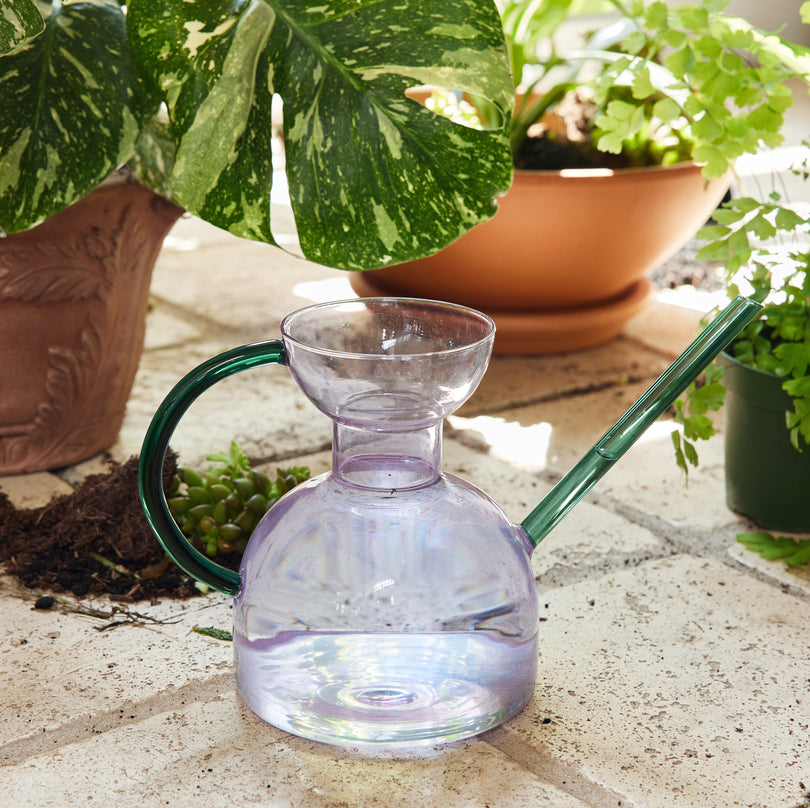
We designed our plant care accessories for exactly the kind of person growing basil on a windowsill. Perfect for small spaces without the need for a garage full of garden tools. Watering cans, pruning shears, soil meters, all sized for indoor plants and the kitchen they live in.
Helpful tools for basil care include:
-
A small watering can for controlled watering.
-
Pruning scissors or shears for clean harvesting.
-
A moisture meter for checking soil.
-
A grow light for low-light spaces.
-
A compact tray or setup for keeping your plant area tidy.
These tools are not required, but they can help new plant parents build better habits and make basil care feel easier.
Conclusion
Learning how to grow basil indoors is one of the simplest ways to bring fresh flavor, greenery, and daily usefulness into your home. With enough light, well-drained soil, steady moisture, and regular pruning, basil can thrive on a sunny windowsill, kitchen counter, or compact indoor growing setup.
Modern Sprout makes indoor growing feel more approachable with thoughtfully designed tools, grow lights, plant care accessories, and giftable garden sets made for modern homes. With the right setup and a little consistency, your basil plant can reward you with fragrant leaves, better meals, and the simple joy of growing something fresh right where you live.
Growing Basil FAQs
Can I regrow basil from a grocery store stem?
Yes, and it's the cheapest way to start. Pick a healthy stem with a few leaves, trim the bottom, strip the lower leaves, and put it in a jar of water on a sunny windowsill. Roots show up in about a week. Once they're an inch or two long, move the cutting to soil. One grocery store bunch can give you three or four new plants if you're patient.
Why does my basil keep wilting?
Almost always one of three things: too little water, too much water, or too little light. Stick a finger in the soil first. If it's bone dry, you're underwatering. If it's wet and the leaves are yellow, you're overwatering. If the soil's fine but the stems are stretching toward the window, the plant needs more light.
How long does an indoor basil plant live?
A well-cared-for plant usually stays productive for 4 to 6 months before the stems get woody and growth slows. That sounds short, but it's why most indoor basil growers keep a rotation going. Take cuttings every couple of months and you can keep the line alive indefinitely from a single starter plant.
Can basil grow in just water?
Yes, at least for a while. Cuttings root fine in water and will keep producing leaves for several weeks if you change the water every few days and give them light. They won't thrive long-term the way a soil-planted basil will, but it's a great way to keep a few stems going in the kitchen between full plantings.
Does indoor basil need direct sun?
It really, really wants it. Six hours of bright direct light a day is the target, ideally through a south-facing window. If your space doesn't get that, a grow light fills the gap. Basil under a decent grow light grows just as well as basil on a sunny sill, sometimes better because the light is consistent.

