
Root rot can affect even the most thoughtfully grown houseplants. You might be using quality potting mix, keeping up with a regular care routine, or growing with a beginner-friendly setup. But if drainage, moisture, or airflow fall out of balance, root rot can still develop quietly below the soil.
Root rot in houseplants often goes unnoticed. By the time yellow leaves, drooping stems, or mushy growth appear above the soil, the root system may already be under stress. Catching the signs early gives your plant a much better chance of recovery.
Below, we’ll walk through how to identify root rot, remove damaged roots, repot correctly, adjust watering, and prevent the problem from coming back.

What Is Root Rot?
Root rot happens when plant roots sit in wet, low-oxygen conditions for too long. Instead of staying firm and healthy, the roots begin to decay. This makes it harder for the plant to absorb water and nutrients, even when the soil looks moist.
That is why root rot can be confusing. A plant with rotting roots may look thirsty, droopy, or weak, but adding more water often makes the issue worse.
The good news is that not every plant with root rot is beyond saving. If enough healthy roots remain, quick action can help the plant recover.
Signs of Root Rot in Houseplants
The sooner you spot root rot in houseplants, the more options you have to save the plant. Root rot can develop gradually, which means it is often mistaken for underwatering, nutrient problems, or normal leaf aging.
Leaf and Stem Symptoms
The first warning signs usually appear above the soil.
Look for:
-
Yellowing lower leaves.
-
Drooping foliage, even after watering.
-
Stunted or slow new growth.
-
Soft, mushy stems near the soil line.
-
Leaves that look dull, weak, or translucent.
-
A plant that keeps declining despite regular care.
These symptoms can overlap with other houseplant problems, which is why checking the roots matters. A drooping plant is not always thirsty. Sometimes the roots are too damaged to take up the moisture already in the soil.
What Healthy and Rotten Roots Look Like
To confirm root rot, gently remove the plant from its pot and inspect the roots.
Healthy roots usually look:
-
White, cream, tan, or pale.
-
Firm to the touch.
-
Flexible but not mushy.
-
Clean smelling.
Rotten roots often look:
-
Dark brown or black.
-
Soft, slimy, or mushy.
-
Weak enough to break apart easily.
-
Sour or foul-smelling.
If the roots collapse between your fingers or have a rotten odor, the plant is dealing with root rot. The goal is to remove the damaged roots while preserving as many healthy ones as possible.
Why Does Root Rot Happen?
Root rot is often blamed on too much water, but the real issue is usually a combination of water, soil, light, and drainage. Understanding the cause helps you fix the current problem and avoid repeating it.
Overwatering and Wet Soil
Overwatering happens when the soil stays wet for too long. This reduces oxygen around the roots and creates the perfect environment for decay.
Common overwatering habits include:
-
Watering on a strict schedule without checking the soil.
-
Watering before the top layer has dried.
-
Letting water sit in the saucer.
-
Using a pot that is too large for the plant.
-
Keeping plants in low light where soil dries slowly.
Different plants need different moisture levels. Some tropical plants like steady moisture, while succulents and many herbs prefer the soil to dry more between waterings. Knowing your plant’s needs helps prevent root rot before it starts.
Poor Drainage and Heavy Soil
Drainage controls how quickly water moves through the pot. If water cannot escape, roots stay wet and stressed.
Root rot risk increases when:
-
A pot has no drainage holes.
-
Soil is dense or compacted.
-
The potting mix holds too much moisture.
-
The plant sits inside a decorative container that traps water.
-
Soil has broken down and no longer drains well.

A well-draining mix should feel airy and crumbly, not heavy and waterlogged. Products like our Organic Soil and Root Boost can support healthier root development because they are designed to give plants a better foundation with organic growing material and root-focused support.
Indoor Conditions That Slow Drying
Indoor conditions can make soil dry more slowly than expected. Low light, cooler temperatures, high humidity, and limited airflow all increase the chance of root rot.
This is especially common in winter, when plants grow more slowly and need less water. If you keep watering at the same pace year-round, the soil may stay wet for too long.
How to Remove and Clean a Plant With Root Rot
If you suspect root rot, act carefully but quickly. The goal is to remove the plant, clean the roots, and cut away damaged sections without harming the healthy roots that remain.
Remove the Plant From the Pot
Start by turning the pot sideways while supporting the base of the plant. Gently slide the root ball out of the container.
If the plant is stuck, squeeze the sides of the pot if possible, or loosen the soil around the edges. Avoid pulling hard from the stems, as this can damage already stressed roots.
Once removed, shake away loose soil. If the soil is wet and compacted, use your fingers to gently break it apart. For stubborn soil, rinse the roots with room-temperature water until you can clearly see what needs to be removed.
Clean Away Old Soil
Old soil can carry fungal or bacterial problems, so it should not be reused after root rot.
As you clean the roots:
-
Remove as much old soil as possible.
-
Separate healthy roots from soft or dark sections.
-
Rinse gently without tearing the roots.
-
Check the base of the plant for mushy stems.
If most of the root system is black, mushy, or foul-smelling, recovery may be difficult. But if a portion of firm, healthy roots remains, the plant still has a chance.
Trim Rotten Roots
Use clean, sharp scissors or shears to remove damaged roots. Sterilize your tool before cutting to reduce the risk of spreading disease.
Trim away:
-
Black roots.
-
Mushy brown roots.
-
Slimy sections.
-
Roots that break apart easily.
-
Any dead or foul-smelling root material.
Only firm, pale roots should remain. If you remove a large amount of root mass, the plant may take time to recover. Be patient and avoid stressing it further with too much water or fertilizer.

How to Repot After Root Rot
Repotting is one of the most important parts of root rot recovery. The plant needs a cleaner, better-draining environment so new roots can grow.
Choose Fresh Well-Draining Soil
Always use fresh soil after root rot. Do not reuse the contaminated potting mix.
Choose soil that:
-
Drains well.
-
Feels light and airy.
-
Does not stay soggy for days.
-
Matches the plant’s moisture needs.
-
Supports healthy root regrowth.
For many houseplants, adding drainage-friendly materials like perlite, bark, or coarse texture can help improve airflow around the roots.
Use the Right Pot
After trimming damaged roots, do not move the plant into a much larger pot. A large pot holds more soil, which holds more moisture, which can trigger root rot again.
Choose a pot that is only slightly larger than the remaining healthy root system. Make sure it has drainage holes.
If reusing the same pot:
-
Wash it thoroughly.
-
Rinse away old soil.
-
Clean it with mild soap and hot water.
-
Let it dry before repotting.
A clean pot and fresh soil give the recovering plant a better chance to stabilize.
Improve Drainage Going Forward
Good drainage is more than adding pebbles to the bottom of a pot. In many cases, pebbles do not solve the problem because water can still collect above the layer and keep roots wet.
Instead, focus on:
-
Drainage holes.
-
Well-draining soil.
-
Proper pot size.
-
Emptying saucers after watering.
-
Avoiding decorative pots that trap water.
Drainage should work through the entire setup, from soil to container to watering habits.

Watering During Root Rot Recovery
A recovering plant has fewer healthy roots, which means it cannot absorb water as quickly as it did before. This makes careful watering essential.
How Much Water a Recovering Plant Needs
After repotting, keep the soil lightly moist but never soggy. Avoid watering again until the top layer of soil begins to dry.
During recovery:
-
Check the soil before watering.
-
Water less often than usual.
-
Avoid frequent shallow watering.
-
Let excess water drain fully.
-
Do not let the plant sit in a saucer of water.
The goal is not to keep the plant dry. The goal is to keep the roots oxygenated while giving them enough moisture to regrow.
Signs Your Plant Is Recovering
Recovery takes time. Some plants bounce back within a few weeks, while others need months.
Positive signs include:
-
New leaves appearing.
-
Stems becoming firmer.
-
Less drooping.
-
Soil drying at a more normal pace.
-
New roots forming over time.
Avoid fertilizing too early. Wait until you see clear signs of new growth before feeding the plant again.
How to Prevent Root Rot From Coming Back
Once your plant begins recovering, the next goal is prevention. Root rot can return if the same watering and drainage issues continue.
Build Better Watering Habits
Smart watering is based on observation, not a rigid schedule.
Before watering, check:
-
The top inch or two of soil.
-
The weight of the pot.
-
The plant’s leaves and stems.
-
The amount of light the plant receives.
-
The current season.
Plants usually need less water in winter and more during active growth. Adjust watering based on the plant’s actual condition instead of watering on autopilot.
Match Soil and Pot Size to the Plant
Different plants need different soil textures and container sizes. Matching both to the plant’s needs helps roots stay healthier long-term.
For example:
-
Tropical plants often need airy soil that holds some moisture.
-
Herbs usually prefer well-draining soil that does not stay soggy.
-
Succulents and cacti need fast-draining mixes.
-
Small plants should not be placed in oversized pots.
Containers matter too. Choose pots that have drainage holes, fit the current root system, and allow soil to dry at the right pace. Terracotta dries faster, while plastic and glazed containers hold moisture longer. The right choice depends on the plant and your watering habits.
Root Rot in Water-Grown Plants
Root rot can still happen in plants grown in water. Even without soil, roots need oxygen and clean conditions.
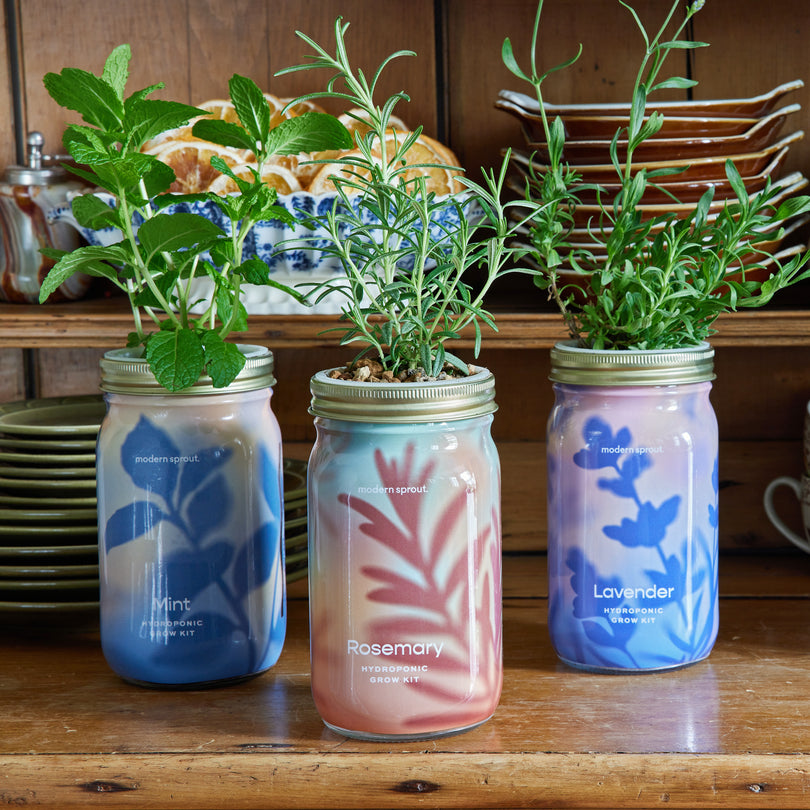
Hydro-growing and jar-based systems can be beautiful and convenient, but stagnant water creates risks if it is not refreshed regularly. Our Garden Jar Grow Kits make indoor herb growing feel simple and stylish, but even water-based growing still benefits from regular care and observation.
Water-grown roots can rot when:
-
Water becomes stagnant.
-
Containers are not cleaned.
-
Roots sit in low-oxygen conditions.
-
Bacteria builds up.
-
The plant receives too much direct heat or harsh sun.
To keep water-grown roots healthy:
-
Change water regularly.
-
Rinse roots gently if buildup appears.
-
Clean the container as needed.
-
Keep the plant in bright, indirect light.
-
Avoid overheating the water in direct sun.
-
Remove decaying root sections quickly.
Healthy water roots often look pale or translucent. Roots that turn brown, slimy, soft, or foul-smelling may be rotting.
Conclusion
Root rot can be stressful, but it is not always the end of your plant. If you catch the symptoms early, remove damaged roots, repot in fresh well-draining soil, and adjust your watering habits, many houseplants can recover and grow again.
Modern Sprout makes indoor growing feel more approachable with thoughtful grow kits, organic root support, herb jars, and growing essentials designed for modern homes. With better habits and the right setup, you can protect your houseplants from root rot and enjoy healthier growth season after season.